 CoinSpot
You have a payment open
Click link to continue with the payment in this tab - remaining time:
.
 8 minutes
 9 months ago

As we move into the second half of 2025, crypto markets are navigating a unique mix of uncertainty and opportunity. The first half of the year brought a bumpy ride, with price swings driven by tariff news and positive government sentiment. Now, attention is turning to what could drive momentum for the remainder of the year.
At the centre of the conversation are two powerful forces, government spending and government regulation. With the U.S. preparing a massive new fiscal package and China already unlocking hundreds of billions through its central bank, the backdrop for risk assets is starting to shift. At the same time, regulatory developments in the U.S. and the next wave of ETF approvals could open new doors for both institutional and retail crypto adoption.
This report explores these main drivers and how they could affect the market in the second half of 2025.
The U.S. government is currently trying to pass a massive new spending plan called the “Big Beautiful Bill.” It hasn’t officially become law yet, but President Donald Trump has urged Congress to get it to his desk for signing in early July. Since Trump’s Republican party holds the majority in both the House and the Senate, there’s a strong chance the bill will pass.
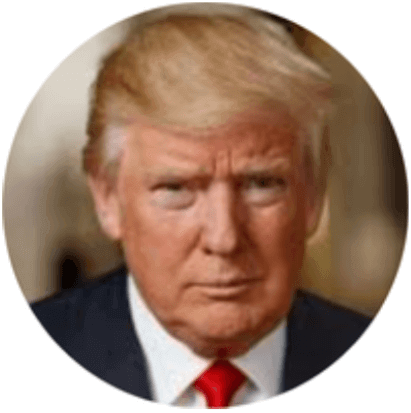
This bill would inject trillions of dollars into the U.S. economy over the next decade. It includes big tax cuts and extra government spending on areas like energy, family support, military funding and border security. That kind of spending means a lot more money being pumped into the economy.
When governments spend at this scale, it usually leads to more money floating around. Some of that cash often ends up in investments like crypto. If the bill is passed in July, it could be one of the biggest reasons crypto prices stay strong in the second half of 2025.
The U.S. is not the only government looking to increase spending. The world’s second-largest economy, China, is also in the process of injecting more money into its system to support growth. In May, the People’s Bank of China (PBoC) took major steps to loosen financial conditions. It lowered the amount of cash banks must keep on hand and rolled out targeted lending programs for key sectors like technology and clean energy.
These measures add up to around A$387 billion in new liquidity, expected to trickle into the economy over the second half of 2025. The aim is to boost lending, reduce borrowing costs and support overall economic momentum through the rest of the year.
Other governments are following suit. In the UK, the Bank of England recently allocated a record £68.9 billion (around A$137 billion) to support bank lending and ease market stress. Several other central banks are also adding liquidity or cutting rates to keep their economies growing. These collective efforts are pushing up the global M2 money supply, the total amount of readily available cash in the system, which historically supports investment flows into assets like Bitcoin and Ethereum.
U.S. regulation is also playing a key role in shaping the crypto outlook. The GENIUS Act, which passed the Senate in June, proposes clear rules for stablecoins. It would set standards for how reserves are held, require third‑party audits, and bring stablecoin issuers under federal licensing. If it passes the House and becomes law, it would mark the most comprehensive crypto regulation ever introduced in the U.S.
 The Genius Act is creating a new regulated form of the US dollar
Another major proposal is the BITCOIN Act. This bill would allow the U.S. government to accumulate 250,000 Bitcoin every year over the next five years. Importantly, this would happen without using taxpayer money, as directed by President Trump. This could spark a global race, with other governments potentially doing the same.
These two bills together signal a shift in the way U.S. lawmakers are viewing digital assets, not just as a risk, but as a strategic opportunity.
With Bitcoin ETFs now well established, investor attention is shifting to the next wave of crypto-related exchange-traded funds. Products tied to Solana, XRP and Ethereum staking are currently under review by U.S. regulators.
BlackRock, the world’s largest asset manager, is actively in discussions with the SEC to get an Ethereum staking ETF approved. The firm played a key role in pushing the original Bitcoin ETF over the line earlier this year, providing both credibility and pressure that helped unlock regulatory approval. Given BlackRock’s track record and influence, its involvement significantly boosts the chances of an Ethereum staking ETF getting the green light.
 ETH Staking ETF is in discussion between BlackRock and the SE
That said, not every ETF brings the same excitement. The spot Ethereum ETF saw limited price reaction when it launched earlier this year, suggesting the market may already be pricing in these moves. Still, if institutional interest returns and volumes grow, these ETFs could open the door to new inflows.
The second half of 2025 is shaping up as a potentially powerful period for crypto markets. Big liquidity moves from both the U.S. and China are laying the groundwork for stronger demand. At the same time, clearer regulation and new ETFs are helping bring more legitimacy and easier access for big investors.
If the ‘Big Beautiful Bill’ becomes law and China follows through with more easing, the macro environment could become even more favourable. Combined with regulatory progress and product innovation, these forces could make the second half of 2025 a defining moment for crypto.
 5 mins
3 months ago
5 mins
3 months ago
 8 minutes
3 years ago
8 minutes
3 years ago
 6 minutes
3 years ago
6 minutes
3 years ago
